
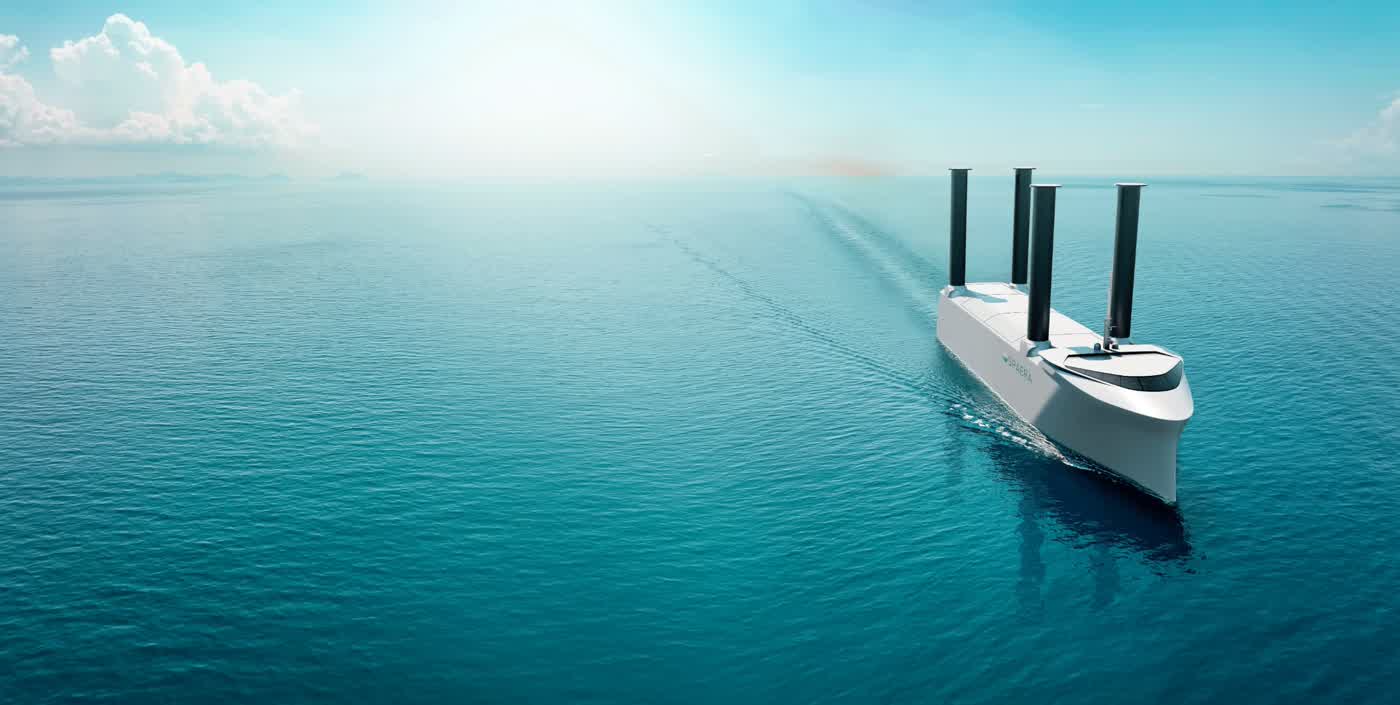
What we do
Energy saving technology assessment
One service: an independent assessment of what an energy saving technology will do on your ship, on your routes, before you buy it.
The saving
Tailored to you
We calculate the fuel saved based on your ships and routes, factoring in the interactions between multiple technologies
The regulation
ETS, FuelEU, CII and EEXI
Regulatory impact is part of every assessment, calculated from the legislation itself for the routes the ship actually sails, year by year.
The money
Lifetime cash flow
Capital, fuel and carbon cost brought together as payback and net present value under your fuel and carbon price scenarios.
How it works
EVERY ASSESSMENT RUNS IN THE VIRTUAL MARITIME ENVIRONMENT
We model your ship from its geometry and powertrain, then sail it through decades of real weather on its own routes. First answers in weeks, re-runs in hours, and the model stays yours. The same platform can be pointed at a newbuild design or a whole fleet when needed.
How the VME works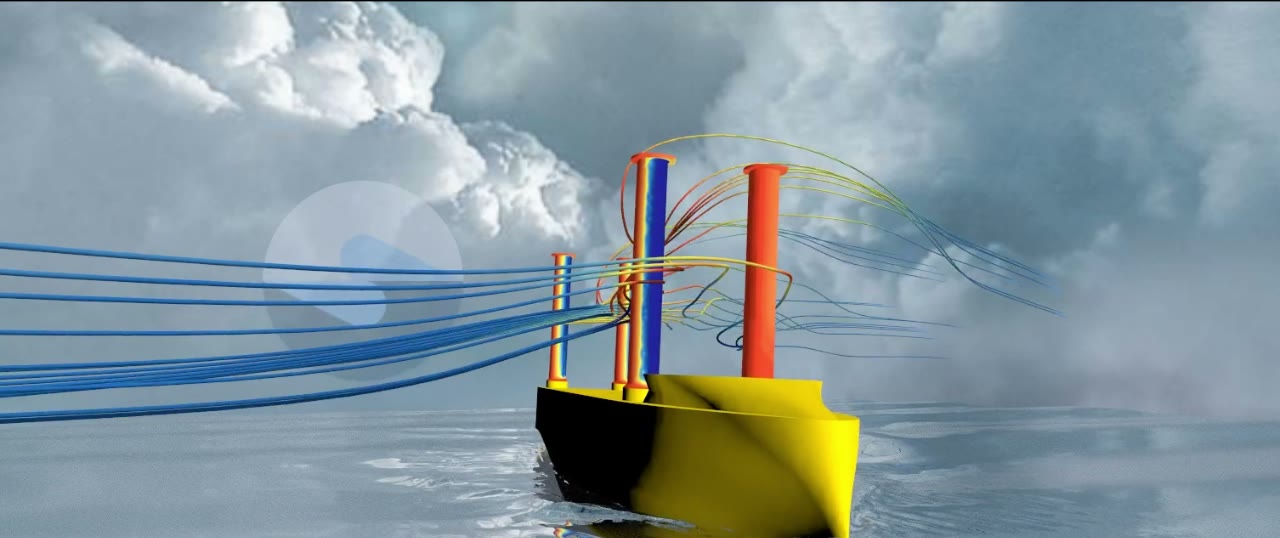
What you get back
Cash flow with and without a technology
Illustrative VME output for a reference vessel. Bars show annual fuel and regulatory cost. Dotted lines show cumulative cash, with and without an energy saving technology fitted in 2027.
Annual fuel and regulatory cost, 2026 to 2040
Baseline vessel in grey outline. Fitted vessel in colour.
The saving has to repay the capital and beat a rising carbon bill. Every figure traces back to the vessel's own geometry, routes and weather.
Scroll sideways to see all years.
Built and tested against physical evidence
90+
towing tank runs across speeds, leeway and rudder angles
<5%
validated resistance error against benchmark data
30 yrs
of hindcast weather behind every route we simulate
4
regulatory regimes calculated rule by rule
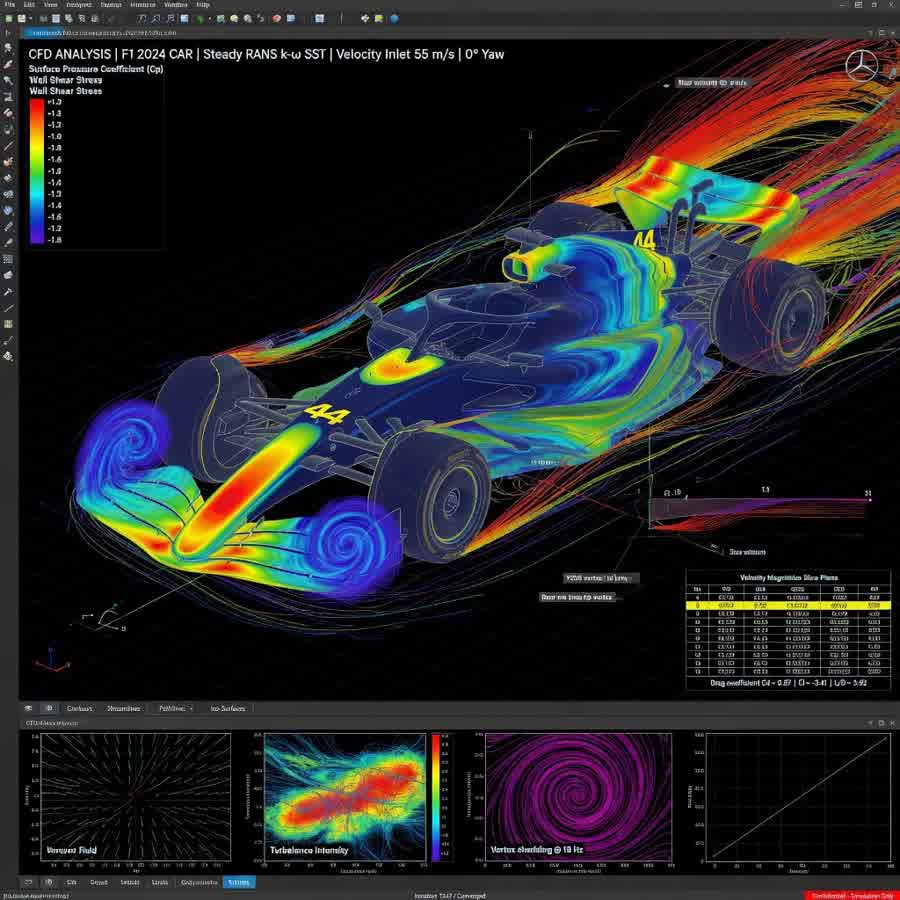
Where we come from
Methods from Formula 1, EV development and Aerospace
In those industries fractions of a per cent decide outcomes, and simulation is trusted with them. We brought the same methods to shipping in tandem with chartered naval architects.
Meet the teamNext step
Talk to an expert
Tell us about your vessels and the technology you are weighing up.
We give you guidance to invest with confidence.
Or email info@spaera.eco